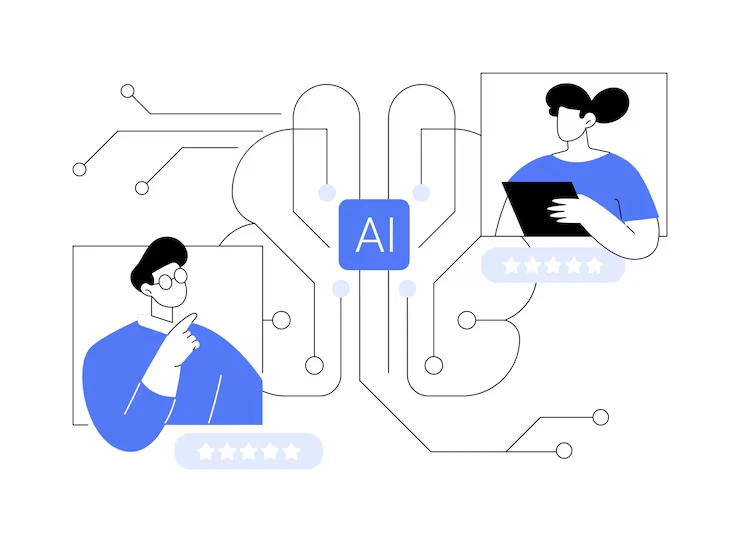
Artificial Intelligence is transforming every aspect of digital marketing, and link-in-bio optimization is no exception. As we enter a new era of AI-powered tools, creators and businesses can leverage machine learning algorithms to maximize their link page performance like never before.
The Current State of Link Optimization
Traditional link optimization has relied heavily on manual testing, gut instincts, and basic analytics. While these methods have their place, they're time-consuming, often biased, and limited in scope. AI changes this paradigm by introducing sophisticated analysis capabilities that can process vast amounts of data and identify patterns humans might miss.
Current challenges in link optimization include:
- Time-intensive A/B testing processes
- Limited ability to process complex user behavior data
- Difficulty in predicting optimal timing for content updates
- Inability to personalize experiences at scale
- Reactive rather than proactive optimization strategies
AI-Powered Solutions
Artificial Intelligence addresses these challenges through several innovative approaches:
1. Smart Content Recommendations
AI algorithms analyze user behavior patterns, engagement metrics, and conversion data to recommend optimal link arrangements, button colors, and call-to-action text. These recommendations are based on millions of data points rather than guesswork.
Machine learning models can identify subtle patterns in user behavior that correlate with higher engagement rates. For example, AI might discover that users from certain geographic regions respond better to specific color schemes or that particular demographics prefer certain types of CTA language.
2. Automated A/B Testing
Traditional A/B testing requires manual setup, monitoring, and analysis. AI-powered systems can automatically create test variants, monitor performance in real-time, and implement winning variations without human intervention.
This automated approach enables continuous optimization, where your link page is constantly being refined based on incoming data. The AI can test multiple variables simultaneously using advanced statistical methods like multi-armed bandit algorithms.
3. Predictive Analytics
AI can forecast future trends and user behavior patterns, allowing for proactive rather than reactive optimization. Predictive models analyze historical data, seasonal trends, and external factors to anticipate when changes in link strategy might be beneficial.
For instance, AI might predict that engagement rates typically drop on certain days of the week and automatically adjust link prominence or add special promotions during those periods.
Real-World Applications
Several cutting-edge applications are already leveraging AI for link optimization:
Dynamic Link Prioritization
AI systems can automatically reorder links based on real-time performance data, ensuring that the most engaging content always appears first. This dynamic prioritization happens without manual intervention and adapts to changing user preferences.
Personalized User Experiences
Advanced AI can create personalized link pages based on how users arrived at your page, their previous interactions, and their inferred interests. Someone arriving from LinkedIn might see business-focused content prioritized, while Instagram traffic might encounter more visual, lifestyle-oriented links.
Intelligent Content Scheduling
AI algorithms can determine the optimal times to update link content, launch new promotions, or highlight seasonal offerings based on historical engagement patterns and predictive modeling.
Technical Implementation
Behind the scenes, AI-powered link optimization relies on several sophisticated technologies:
Machine Learning Models
Various ML algorithms are employed for different optimization tasks:
- Classification Models: Predict user intent and preferences
- Regression Models: Forecast engagement and conversion rates
- Clustering Algorithms: Segment users for personalized experiences
- Neural Networks: Process complex patterns in user behavior
Data Processing Pipeline
AI systems require robust data processing capabilities to handle:
- Real-time user interaction data
- Historical performance metrics
- External data sources (social media trends, market data)
- Contextual information (time, location, device type)
Benefits of AI Optimization
The advantages of AI-powered link optimization are substantial:
Increased Efficiency
Automated systems can perform optimization tasks 24/7 without human oversight, leading to faster improvements and reduced manual workload.
Data-Driven Decisions
AI removes guesswork and bias from optimization decisions, relying instead on objective data analysis and statistical significance.
Scalability
AI systems can optimize thousands of link pages simultaneously, something impossible with manual methods.
Continuous Learning
Machine learning models improve over time as they process more data, leading to increasingly sophisticated optimization strategies.
Challenges and Considerations
While AI-powered optimization offers tremendous benefits, there are important considerations:
Data Privacy
AI systems require substantial data collection to function effectively. Ensuring user privacy and compliance with regulations like GDPR is crucial.
Algorithmic Bias
AI models can perpetuate or amplify existing biases in data. Regular auditing and diverse training data are essential for fair optimization.
Transparency
Understanding why AI makes certain recommendations can be challenging with complex models. Balancing sophistication with explainability is important.
The Future Landscape
Looking ahead, AI-powered link optimization will likely include:
Advanced Personalization
Future systems will create highly individualized experiences based on comprehensive user profiles and behavioral analysis.
Cross-Platform Integration
AI will optimize not just individual link pages but entire cross-platform content strategies, ensuring consistency and effectiveness across all touchpoints.
Voice and Visual Optimization
As voice search and visual content become more prevalent, AI will adapt optimization strategies for these new interaction modes.
Getting Started with AI Optimization
For creators and businesses looking to leverage AI for link optimization:
- Start with Data Collection: Ensure you're capturing comprehensive user interaction data
- Define Clear Goals: Establish what success looks like for your link page
- Choose the Right Tools: Select AI-powered platforms that align with your needs and technical capabilities
- Monitor and Iterate: Regularly review AI recommendations and results
- Maintain Human Oversight: Keep humans in the loop for strategic decisions and ethical considerations
Conclusion
AI-powered link optimization represents a significant leap forward in how we approach social media marketing and audience engagement. By harnessing the power of machine learning and predictive analytics, creators and businesses can achieve better results with less manual effort.
The future of link-in-bio optimization is intelligent, automated, and highly personalized. As these technologies continue to evolve, early adopters will gain significant advantages in engagement, conversions, and overall digital marketing effectiveness.
The question isn't whether AI will transform link optimization—it's whether you'll be ready to embrace these powerful tools when they become widely available.